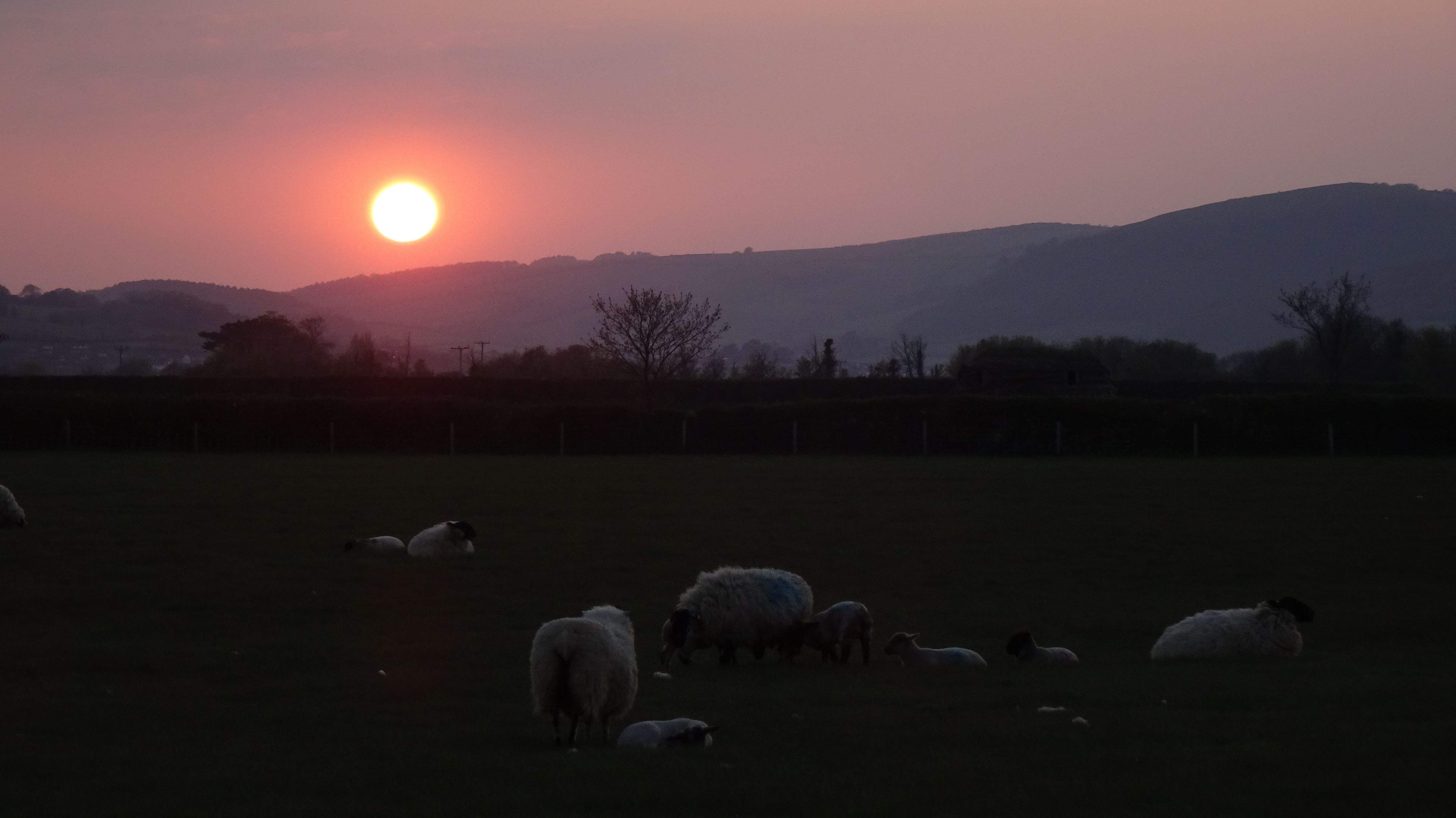
Tuesday, 1 June 2021

A JOB WELL DONE


With recent incidents of vandalism and misuse at a couple of our mid Wales' bothies we have where possible increased the frequency of our visits and appreciated the support and assistance of both Natural Resource Wales and the Dyfed Powys Police Rural Crime Team.

Up at Nant Rhys near Llangurig all was well with a new barrier to the south providing an additional deterrent so I moved round to The Arch near Cwmystwyth and cycled in to check on Nant Syddion where a group of lads had driven two vans in for the weekend. Bothies are still closed due to the pandemic and unauthorised vehicles in the NRW forests are not permitted at any time - NRW will pursue these contraventions so please be aware of the current temporary restrictions that exist as well as the more long term ones.

After a quiet night above Tregaron I parked at Nantymaen and cycled in to Moel Prysgau which has seen the more serious misuse. This has been attributed to off road buggy drivers accessing the bothy from the Towy Track and I was pleased to see that some tactical felling of two large conifers will provide a substantial barrier to such access - thank you NRW. I enjoyed a few hours tidying up outside and in, but the heavy rain of the preceeding 48 hours was obviously deterring all but the most determined off roaders so I returned to the van.


A superb run along the Clywedog reservoir and a steep climb up from Dinas Mawddy put me atop the second highest road in Wales at the Pass of the Cross for a memorable night with stunning views.

After checking out the parking for a proposed excursion the following day I returned to Cae Adda at Trawsfynydd for a night taking time to enjoy a circuit round the lake on the reinvigorated bike after swopping out a tyre that had taken a slice to the wall after the forestry tracks. Then it was off to the station parking at Blaenau Ffestiniog in time to catch the train down to Llandudno passing almost immediately through the UK's longest single track railway tunnel before descending gently to the Conwy Valley passing Moel Siabod standing high above Dolwyddelan Castle, Betws-y-Coed and Llanwrst before spotting Conwy Castle and arriving in Llandudno. It was a sunny day to enjoy the promenade and pier before the journey home and a quick whizz across to the Caravan and Camping Club site west of Criccieth. As it was only a service night to empty tanks and bins, top up the battery and take on water it was adequate but being located on sloping ground adjacent to a busy road I was glad not to be booked in for a week.


Wednesday saw me in Porthmadog to do laundry and a food shop before around mid afternoon I arrived at the farm in the the Pennant Valley that would be my base for a week. I walked up to the bothy and gave it a good tidy up and sweep out before sterilising all work surfaces, doors, handles and other contact points in advance of the other volunteers arriving the following day. I then spent a quiet evening in after nipping across to the barn project who's roof was to be the focus of our efforts. Further work had been undertaken last October and it looked like the task would be completed if the forecast weather did indeed arrive.

A glorious day on the Thursday encouraged me to walk up to the head of the valley, pass the old slate quarries and mines and return via Moel Lefn, Moel Yr Ogof and Moel Hebog. From the latter I dropped down to the impressive workings at Cwmystradllyn where the little cafe did a very welcome cup of tea and a cake in their garden.


Other members of the team arrived on the Thursday night and in a light drizzle with low cloud we all trooped off to the barn on the Friday to organise the tools, equipment and materials before making a start. Slates were cut to size, nailed in to place and ridge tiles fitted but with better weather forecast we stopped by late afternoon and I returned to the comforts of the van.

Bright sunshine inspired us all to crack on during Saturday with everyone working in ones or twos on a variety of tasks - gutter and slate fixing at the bothy, roof work and pointing at the barn, the construction of two sleeping platforms there for occasional use and ongoing tidying up and site clearance.

A fine Saturday evening enabled us to hold our Area Meeting outside and review the challenges of the last 18 months in the bothy world, prioritise our immediate concerns and plan for their resolution over the next few months.


Even though bothies are still closed a trio of walkers turned up but were persuaded to move on - in such good weather this was hardly likely to be onerous. Otherwise we had the place to ourselves and achieved a lot with the support of Ed and his son Chris who ferried up the additional materials Martin and I had sourced in Tremadog that morning.

After a sustained effort on Sunday and Monday the final ridge tile was put in place by our AO Tony and a general sigh of relief was heaved by the assembled volunteers as this has been a major undertaking. We cleared away all the tools and equipment which were returned to the store shed at the bothy for future use and looked back one last time at this quaint building in a most spectacular location.

The team slowly dispersed and will with other members meet up again over the next few months but before then I would like to thank all those who attended for a week of laughter, hard work, great company and apalling humour.

This is what we've missed most and what makes all the effort worthwhile, despite the odd instances of misuse, we know that our work is hugely appreciated by others.


I now head south to the Brecon Beacons for a fortnight and have my second Covid jab on Saturday. Whilst at Lower Chapel the van will get a good look over, the shower mixer tap needs replacing and a group of us will be heading off on the bikes for some off road routes.


Piccies here.


Thursday, 20 May 2021

Things slowly return to 'normal'.....

A long interval since my last post when I was beginning the longest stay in one place for me in 16 years of van life as a result of course of the UK Covid Lockdown.


My 14 weeks staying put in mid Wales from before Christmas until mid March saw me celebrate my 61st birthday, walk or ride to a local bothy 28 times, assist in the evacuation of a cold walker from said bothy and generally watch as the pandemic slowly came under control as movement ceased and vaccines were issued.

Thus in mid March I presented myself at the Vaccine Centre in Bronllys, Powys where I was hugely impressed and moved by the kindness and dedication of all those involved in this remarkable achievement - there is so much to be said about the pandemic in other media but for me it was another chapter in my life on the road and apart from missing Mandy as we were apart for 6 months it was yet another episode in what has been a varied and rewarding life. As always I prefer to look forward with my plans and blog about the latest experiences.

 I spent a few days in Lower Chapel and finally, I hope, got on top of the long term van water ingress, discovering a slight leak between the air intake and fan housing either side of the bulkhead - remedied by replacing the OEM foam gasket with silicone. I then fitted camping mats for sound and heat insulation followed by a one piece replacement carpet that took some cutting and fitting before putting back the Autosleeper carpet to give a much warmer quieter finish and dispense with the water saturated rubber matting.

Then with lockdown easing only allowing self contained vans to use campsites I took off for southern Snowdonia and stayed near Trawsfynydd on a small, idyllic and empty campsite arriving in a substantial storm. However the forecast break in the weather materialised allowing me to catch a bus down to near Barmouth and begin a traverse of the Rhinogs in perfect conditions.

A steady climb in hot sun took me over Diffwys and then Rhinog Fach before a sublime bivvy beside Llyn Cwmhosan. This left me ready to tackle Rhinog Fawr and then head over the central Badlands passing above the Roman Steps and Cwm Bychan for lunch at Llyn Pryfed before a long afternoon haul over tough terrain had me up to the summit of Clip, the trig point on Moel Ysgyfarnogod, Diffwys (2) and back to the site after a demanding but rewarding day. 


Clear blue skies offered superb views in every direction and I was pleased to complete a long held ambition to enjoy this remarkable ridge.


With no one else staying over Easter as the Welsh lockdown excluded English visitors I stayed on for a few days and enjoyed walking the lake and the excursion down through Welsh rainforest to Maentwrog - an 18 mile day that I hadn't really planned so soon after the traverse...

I called briefly at Arenig bothy on behalf of Tony, the MO, where all was well and had a good night above Lake Vyrnwy before taking a look at the potential new bothy building to see how it had weathered another winter : good news, all was well.


With travel to England allowed once more I picked Mandy up from Sheffield for the start of a month away - strange but lovely to have another person on board. Three days on a cracking little Certificated Site south of Longnor just over the border in to Staffordshire saw us walking in the White Peak to climb Chrome Hill and cycling down to Hulme End to enjoy the Manifold Trail down to Waterhouses. From there we took a lovely side road past the ruins of beautiful Throwley Hall with the world's friendliest cat curling round our legs in the warm sunshine. At Fenny Bentley we picked up the Tissington Trail and returned north stopping in Tissington for an overpriced sausage sandwich - everyone seemed vaguely overawed by unfamiliar freedoms as people socialised for the first time in months.


A couple of nights at Dethick gave us chance to catch up with good friends, Nina is determined to endure pain and discomfort to overcome her injury and is making great progress. It's a lovely spot to be based but like us they are keen to be on the move again with the constrictions of Brexit and Covid to be accommodated.


 We walked in Tideswell Dale and then in the village I discovered the small organic butcher whose Saddleback pork and bacon was almost as good as the Oxford Sandy and Black meat I used to produce in another life two decades ago. For a variety of reasons I have decided to eat less but better meat and this was certainly a good start.


Moving on we walked round the idyllic Blithfield Reservoir before pulling up at a Club Site of the Caravan and Motorhome Club that we have joined just for this year at High Onn. This simple site met our needs very well and we enjoyed two day rides using the Shropshire Union Canal, Sustrans Route 55 and the Staffordshire and Worcestershire Canal to create some great traffic free rides. Having read a good book on canal history recently I was delighted to see my first crossover bridge and see canal features that appear in the BBC series Canal Diaries.


A steady day's drive placed us on the North Somerset coast on a small site at Blue Anchor near to Dunster where a good friend was staying in her brother's beach hut.

We enjoyed a steady walk over Withycombe Hill passing the ancient settlements of  Bat's Castle and Gallox Hill before passing through dreamy Dunster - at its best when quiet and enjoying a cream tea before heading up to the Conygar Tower - a folly giving extensive views across to South Wales and the Brecon Beacons.


Retracing our steps slightly we stopped in Glastonbury, climbed the tor in a stiff breeze on a sunny afternoon and finally arrived in Frome to stay on the drive of an old friend Pete who has just retired.


Our plan the following day was to ride the Imber Circuit, a mostly off road route around a part of Salisbury plain so we met up at Westbury White Horse car park and set off on a spectacular 26 mile route in bright sun but a stiff fresh easterly. It was a great ride with the added excitement of two helicopter gunships hovering on a live firing exercise above nearby woods. Pete produced an excellent curry and Sunday saw a longish walk to Nunney Castle and back via the impressive stone quarries near Mells.

We then headed off for two enchanting nights at Win Green by Cranborne Chase for a good sunset, starry night and pleasant walk down to Tollard Royal and back through the Rushmore Estate - the setting for our last group gathering last October.

Three nights on a CS south of Fordingbridge were very peaceful and we cycled through the New Forest, avoiding the free ranging ponies and donkeys but not seeing any pigs at this time of year. Most of the trees were still bare as despite the sunshine there was, as throughout this trip, a chilly easterly wind but we covered many peaceful miles on the excellent network of gravel tracks and trails. A walk on a slightly wet day took us past a fish hatchery at Bickton where the herons had breached the net and over 30 were sat in a large oak awaiting their turn at the free for all.


With the BH approaching we did laundry in Wimborne, took a walk round the town, stopped at Dorchester for lunch and arrived in a hailstorm near Crediton to tuck away with John who is still doing great work rescuing, rehabilitating and rehoming hedgehogs. The ducks and rabbits were as charming as ever and we enjoyed a couple of good rides on the traffic free lanes of mid Devon. We reached Witheridge for a pub lunch and returned via a mix of lanes and bridleways with me using a hybrid road bike as my Cube was away for an overhaul. I had intended to get a new bike but last year's renewed interest in cycling and Covid related factory closures has led to a shortage of stock across the land. Anyway it added to the excitement and reminded me of a You Tube clip of a 2CV going over the Gap Road in the Brecon Beacons and a guy I met in Morocco heading for Cape Town in a Renault Kangoo - any fool can do it in a 4x4 - well almost! 

We also had the privilege to meet a friend of John's who many years ago helped a Tibetan family escape the Chinese invasion and now runs a charity in India restoring the sight of people with cataracts - mixed feelings about these humbling efforts when that nation has a nuclear weapons programme, a space programme and large numbers of multi millionaires who could hire private jets to return to the UK en mass a couple of weeks ago to escape Covid lockdowns.

The Bank Holiday Monday was predictably wild and stormy so after watching the tumble weed blowing around in deserted South Molton we pitched up on an empty and exposed field near Twitchen, south Exmoor for an exciting night. The van is warm, dry and feels very stable in all conditions and we had a good TV signal for the evening. Much better conditions dawned the following day and we walked up on Exmoor to Pinkerry Pond, encouraging en route a skittish lamb to get out of a fenced hedge bank and return to its wary mother.

Greg and Alex at Lynton made us very welcome and have achieved much over their first three years - the annexe and shepherd's hut provide different but comfortable accommodation - Google : Air BnB, Lynton Shepherds Hut and the linked properties for further details. We walked up to the remote Hoar Oak Cottage whose website is worth a look for its fascinating history before returning along the Two Moors Way.


Soon after departing we stopped at Countisbury Hill to walk down to Foreland Point lighthouse and look across to Nash Point in South Wales, our destination in a few days time, before returning to a favourite private campsite up on the Mendips near Priddy. Despite being less than half a mile from the highest TV mast in the south west I neatly aligned myself behind a large conifer thus negating any signal for TV or phone, as discovered later. Bristol friends joined us for a walk across the hills, down Ebbor Gorge and back through Wookey with Nick completing the walk despite taking a nasty tumble on a stile early on. I guess as a few friends are planning to retire and move away further south to Devon these old haunts will become forgotten but with luck new opportunities will arise and we at least may be able to travel abroad soon enough.

Crossing the swirling muddy waters of the Severn over the original bridge was the prelude to visiting Chepstow Castle but  a navigational error led us down to the slightly eerie Old Ferry Boat departure point right under the bridge - as it turns out well worth a visit. An enormous pylon takes 400,000kv power lines across the estaury and the Severn Rescue team have their HQ down by the turbulent river.

The castle as it turned out still needed to be prebooked so we just enjoyed the quiet streets of Chepstow and shared briefly some of the joy of a couple getting married in the local church. A nip along the M4 brought us to Nash Point where the cafe allows camping on its dramatic cliff top headland.

After dark we could see Foreland Point flashing 17 miles away across the Bristol Channel and the next morning walked down to the pebbly beach beneath beds of limestone that at sea level reminded me of the tessalated limestone I saw in Tasmania a decade ago now.

Coffee with friends near my old farm was a good chance to catch up before we headed to Lower Chapel where I am due to farm sit in a month or so. As always Jan produced superb meals and we enjoyed a good walk over to the Wye Valley, had a long sighting of a kingfisher feeding its young in a river bank nesting hole and admired the remarkable bark of old sweet chestnut trees near Llangoed Hall. Back at the farm the bottle fed lambs were a delight but pesky pheasants were hoovering up spillage from the bird feeders at first light. A sparrow hawk darts in occasionally to grab a small bird and woodpeckers also visit.


I'd noticed a slight feathering on my n/s rear tyre so swopped it for the unused spare and will get a depot to flip the wearing tyre to even things up - it's likely to be a tracking issue but few places seem willing to set up the rear so it will just have to be ignored. My MOT is not until August and with only 7,000 miles on the clock since the last one it should dovetail nicely with a 10,000 mile oil change. I will do the other filters myself before departing for Europe this winter if possible but need a timing belt change at the oil service as well. As this also includes changing the water pump I will get Autohaus Dolby in Sheffield to carefully go over the entire coolant system as well before a longish trip. The new Brexit rules (and that's making the hefty assumption that Europe will be on top of Covid anyway, let alone Morocco) will limit the EU element of my winter away to 90 days in any 180 so an extended period in Morocco beckons - brilliant!

Whilst at Lower Chapel in June I will strip the brakes as usual and check the floating caliper sliders as after a winter in the UK these can stick if the small rubber gaiters perish and cause premature pad wear. I'll also get a second MOT done in November to align the date with a time when I am most likely to still be in the UK as I have the privilege of two weeks in the Lake District - very much missed last year. I have pursued extending the two weeks to four but at present cannot get two successive weeks in the same lodge so will have to bide my time. It's part of my end of life care plan anyway so there's no rush - life in the old dog yet : see later.

We nipped in to Moel Prysgau bothy after following two logging trucks that remarkably negotiated the Devil's Staircase in Abergwesyn Gorge and found all well with just a quick tidy up and the removal of two tents needed. At Llyn Brianne an army Chinook enthralled us with some training exercises before we lunched high above the reservoir.


The final night of our trip was spent at my Sennybridge base where I collected my all Wales bus pass that will open up some linear coastal walking opportunities and circular walks from stations on the Heart of Wales Line out of season. My Cube has also been restored to good working order - the guy who did the work is considering the leap in to full time self employment as a bike mechanic so if you are within reach of Talgarth get in touch and I'll pass on his details.

We also admired a substantial Toyota Hilux Crew Cab based drive away camper that belonged to friends of Crad and Dawn. With all on board conveniences and great ground clearance it should just about keep up with the Topaz in Morocco - how about it guys??

 So after one of the best UK based months away I can remember we returned to Sheffield briefly where I gave the van its first full vacumn for a year, swopped maps and winter clothing (a tad ambitious perhaps) and then left Mandy to catch up with friends, family and supervise some work on her house.


I picked up some more excellent bacon in Tideswell, imposed myself on Pete and Nina for a night and then headed off to Rugely in Staffordshire where a farmer has a simple field with tap and bins for a tenner a night. From here I took the Trent and Mersey Canal past the disused power station's cooling towers that are due to be demolished on the 6th of June and headed towards Stone and Stoke passing Shugborough Hall. The tow path was quite bumpy for twenty odd miles but improved as I approached Stoke and then the long Harecastle Tunnel. A route over the top took took me in to Kidsgrove before the Sustrans Route 5 brough me through Hanley and back on to the canal. It was a painful return not helped by dislodging my GPS battery and having to retrace my steps adding another 4 miles to give a total of 92 - so bike well and truly tested and faultless but bits of me now needed repair.


Despite this the following day I knocked out 30 miles around Cannock Chase, definitely an area to return to before yesterday heading back in to Wales where I stopped above the Elan Valley to check on the repairs to a bothy door 5 weeks ago. This seems to have worked and all was well with the hut which remains shut until the final lifting of retsrictions in June.

I had intended to ride the Radnor Ring today but a nasty little storm has brewed up so after a comfy night in Rhayader I am now plugged in to life support at Llangurig for two days and will visit the local bothy tomorrow. Three others then beckon over the weekend before from the middle of next week I am based in Snowdonia for a week as a group of us try to complete a Covid delayed barn roof project. Then it's a week spare before the mid June farm sit, after which we plan to visit Chester, Ironbridge, the Black Country Museum and Etruria at Stoke before a few days in July in the White Peak.


As you can see we have packed a lot in to a month yet completely avoided the crowds by visiting places perhaps not on the Sunday papers' must do lists but often for that very reason well worth the effort to visit anyway. Having over the years largely concentrated my UK trips either high on the hills or (although perhaps not recently) deep undergound it has been a revelation to experience new highlights , something that began last October with my trip to the south and east.

Foreign travel will loom large in my plans for the future beyond the end of 2021 but with flexibility, a compact self contained van and the desire to look around the next corner  there is much to be said for looking in your own back yard.


Piccies here and thanks for reading.


Tuesday, 5 January 2021

WEST BY MID WEST (WALES)

 As the early November Welsh lockdown lifted I took off to favourite haunts in mid and west Wales, initially to check on the condition of various bothies starting with one in the Tywi Forest where as is so often the case a group who had ignored the lockdown also left a significant amount of rubbish - more than could have been walked in. However a good burn and a tidy up saw things back in good order. I reported the issues to the two MOs and the fact that a barrier to access from the top track had been destroyed.


 I then spent a couple of days at a favourite point above Tregaron, walked Cors Carron riverside path in search of the elusive otter and enjoyed a circuit on the bike out along the Claerwen Reservoir returning via the old lead mines of Cwmystwyth. A ride in to Aberystwyth included fish and chips on the sea front and a chance to check out the opportunity to use the quayside for an overnight or two - £6.50/24 hours which seems very reasonable.


The following day I explored the Cwmystwyth workings and the lakes high above that would have supplied much of the power - leats increased the supply of water and old raised dams increased the storage. On the way down through some of the oldest workings I peered in to a seemingly bottomless chasm with ancient rotting stemples and a stream dropping in to the darkness - not for the faint hearted.

I headed to Aber for a couple of nights there giving me a chance to restock fridge and cupboards before  returning to the seafront which was very quiet after dark.

 A bus down to Aberaeron gave me a long but satisfying walk back up the coast arriving back in the town well after dark - the skeleton of a dead seal was fascinating and a slate clad church of interest.

I took one night on the excellent Pantmawr CS at Llanilar for a fill of water and a night on hook up and will certainly return there one day. 

Overnighting on Aberareron sea front is also permitted allowing me to walk south to Newquay, another cracking route this time done as an out and back and also made the start for an inland route on an old railway line to the Llanerchaeron Estate. 

South of Newquay the Park4night app indicated overnight parking in the church car park at Penbryn and again I walked north towards Ynys Lochtyn via Llangrannog along the stunning coast path.


Down at Cardigan I stayed in the quayside carpark near the floating Indian restaurant - sadly closed for the time being and walked out to St Dogmaels where the Cliff Hotel was open but quiet. I decided to treat myself to lunch and enjoyed two delicious courses but no alcohol. Carrying on round past Cardigan Island I walked high above the old coastal slate quarries before reaching Mwnt and returning via inland paths for another quiet night in Cardigan. The following day I nipped in to the Post Office to get a passport photo with a digital code for my online passport application - a necessary response to the forthcoming Brexit process - it is well worth checking if your existing passport will still be valid in 2021 should we be able to travel.

With some rough weather forecast and in need of water and a night on power I moved to another CS at the foot of the Preselis in Maenclochog for a couple of nights and on a cold but bright day walked up to the top ridge, turned west and dropped down to Rosebush via the old slate quarries and past the Tafarn Sinc. This excellent pub where I had spent many nights in a previous life is now community owned but of course shut for the duration.


Moving on I found a quiet spot above the Llyn Brianne on a magical night and nipped in to the bothy where yet more rubbish had been left - this was clearly attributable to an off road contingent judging by the sheer volume of bottles, cans and other rubbish but at least NRW have installed a substantial barrier on the top track but unfortunately the off roaders are coming in from the confluence crossing a flattened fence and destroying the wetland en route.

Moving on to the Brechfa Forest a quiet car park allowed me to sit out more bad weather for 48 hours but the imminent threat of another Welsh lockdown forced me to consider a practical response. Heading in to England was a consideration but as I felt it could also close down leaving me stuck I decided to head to Sennybridge to collect mail, spent two nights above Brecon making myself useful and giving the bike a good clean and then a week before Christmas arrived at Llangurig for what may well be a stay of a couple of months. I arrived with fridge and cupboards full and settled in with good phone, internet and television connectivity, hook up and one other occupant, very grateful that the owner was able to take me in as a 'person of no fixed abode'.


Thus I have enjoyed a lot of reading, caught up on unseen TV programmes, cycled down to Rhayader and back via Elan and Cwmystwyth and walked up to the local bothy a couple of times to check on unauthorised use. 

A week ago a substantial snowfall transformed the scenery and since then temperatures have hovered around zero - at this time of year without much solar gain and being unable to drive far the leisure battery would not last long but with hook up I have as much sophistication as a domestic property and will sit quietly until I am called for a jab and our freedoms return.

An exposed water pipe was insulated today with tape wrap but I think I will source a fire resistant fibreglass sleeve to prevent freezing and be resistant to exhaust heat as the pipe passes close to the heat deflector.

I also need to remove the rubber cab mat and carpet as snow accumulation on the screen allowed water ingress once more which I think is the scuttle drainage getting overwhelmed - I suspect that during the windscreen rust prevention descaling debris from paint, mastic and rust probably got in there so I need to remove the seats and trim, remove the floor mat and carpets to get the latter dry and will then leave it uncovered until I can get a pressure washer in to clear out the drainage ports. Then I will probably replace the original matting with a more modern sound proofing and insulating flooring before replacing the carpets. This will be much easier in warmer drier weather so it may be a while and that will also be an opportunity to fit a new roof side window - the old unit has a crack and leaks so will be replaced by a fixed perspex panel kindly cut to size by Crad.


Click here for more Photos


Saturday, 5 December 2020

The Nuts and Bolts of Van LIfe

So we've looked at selecting your van according to your budget and a carefully thought out approach to how, where, when and why you are going to use it.

You will recall my strong inclination to high top vans - look at these very basic calculations -

Van A : 2m wide x 2m high x 5m long = 20 cubic metres.

Van B : 2m wide x 2m high x 6m long = 24 cubic metres

Van C : 2m wide x 3m high x 5m long = 30 cubic metres


So : add a metre to the length on a low profile roof and you get an increase of 20% volume but still have back ache all day, add it to height and you get a 50% increase in volume with a more practical vehicle for occupying and manoeuvring. As pop tops generally slant you will add say 5 cubic metres when it's up but the high end space will be just air and out of reach and the low end tapers to less and less usable space and you don't have the advantages of storage, insulation or weather resistance of a fixed top.

Finally doors and windows : I prefer a full size unobstructed sliding side door as it allows use in a tight space, gives easier access and more importantly easier egress in the event of a fire or other emergency - so many vans now have a caravan sized door or the wide opening blocked by kitchen units. You cannot beat the feeling of lying in a warm bed with the door open to a memorable sunset or frosty dawn.


Having a rear tailgate is also preferable to my mind as it doubles up as a changing area, provides a shady area in hot sun (no need for a heavy expensive awning that needs retracting at the merest hint of wind) and is even the place for an al fresco shower if you have the portable kit or your onboard hose reaches. Again it might be that you can lie in bed looking out over the view - wonderful.


 Another more flexible option for an awning easily doable with a high top is a good tarp clipped to the roof and held aloft by your tailgate support poles and secured by guy ropes - not much to store and a tarp can have many other uses.


I have also found that tailgate mounted bike racks are sturdier than those attached to just one barn door and can carry more weight - your van struts may not hold the door aloft with this extra weight but the couple of sturdy old sectional tent poles (usable for your awning) will provide suitable props.

Whilst in this area and returning to previous themes a good bike rack on a tailgate, combined with a sturdy cover effectively creates the 'garage' that bigger vans aspire to promote. I store both bikes with both helmets locked on, the spare fuel can, track pump, folding table and two chairs beneath the cover. I use a long length of bungee cord to secure the cover even more firmly and prevent petty pilfering and have the hazard board necessary in much of Europe in situ - the pocket for this is a great place to keep a coiled water hose.

Anyway it's all about choice and for many casual users vans are about style, the 'scene' and so on - nowt wrong with that but when I see running bars, roof rails, chromed mirrors, bull bars, spoilers and the like I see unnecessary weight and expenditure and don't even mention lowering!!


Anyway on to other considerations and basically van life mirrors basic human existence with the same needs in the same order.

Air, Shelter, Water, Food, Security and Company which should all be linked to Sustainability.

These headings give the structure for the rest of this post.

AIR

Simple enough you might think but there are implications regarding van living.

Modern well designed vans will pay as much attention to ventilation as insulation but older or well used vans and many a self build will fall short.

Whilst it would be very hard to achieve in reality, a hermetically sealed van would of course prove fatal but it is possible to end up with quite a well sealed unit that could be dangerous. Gas is likely to feature in your van if only for cooking and needs careful thought in its use and storage - when burning it produces quite a surprising amount of water vapour on top of those boiling pans and kettles so good air circulation is important to keep your interior dry. Similarly LPG is heavier than air so can pool in unvented voids - use a proper sealed gas cupboard with plenty of drop outs. Cookers should not be used to heat up the van, although boiling (almost) the kettle for that first cuppa will take the edge off a frosty start. Vents for fridges or heaters should be kept clear and any grilles removed as necessary before use. A combined fire and carbon monoxide alarm, tested regularly is vital and at least one good sized fire extinguisher and a fire blanket should be in place.

The small dry powder extinguishers are not in my opinion big enough for van use (they also tend to settle when stored so should be shaken up regularly) and expiry dates noted. My preference is for one in the driving area to deal with an engine or dashboard fire and one near the cooking area -  often you cannot access front mounted kit when the seats are swivelled.

When cooking keep an eye on pans - they don't need to be bubbling away furiously, use lids and bring the kettle just to the boil to reduce steam and vapour. Washing up water produces a lot of steam - perhaps use site facilities or do it outside with a bowl. At night keep windows or roof vents slightly open as an average person will produce 500ml of water vapour overnight just by breathing.

Candles can give a nice atmosphere and do emit a surprising amount of heat - for many years I used a tray of tea lights floating in the sink but on reflection there were obvious safety and health considerations, but I was young and carefree : just carefree now although I guess a care element is approaching relentlessly

Wood burning stoves in a van are only likely to be of use in much larger vehicles than I am concerned with and come with a host of other considerations - plus benefits - but are outside my remit.

If you decide to use a portable generator ensure that its exhaust is discharging well away from any of your ventilation points, similarly you might run the engine for a period to warm things up, make sure your exhaust system is intact and well maintained.

Have your gas appliances checked and serviced regularly - the jets and thermal cutouts need to work properly, flues cleaned, all pipes should be secure, flexible hoses changed before their use by date and any regulators or isolation taps working properly. I will look at gas again later with regard to practicality as opposed to safety.

Finally don't overlook the gasses produced by 12v batteries charging - if yours is tucked away in an internal cupboard make sure the vent tube is in situ and discharging externally and keep flames away.


SHELTER

Obviously any van will provide a degree of shelter from the elements but again there are factors to consider. Larger  vans will be harder to heat although the degree of insulation will help. Plenty of other blogs deal with insulation for converters - one tip I would provide : if possible in the floor, both sides and even the roof incorporate a small duct running full length and leave a drawstring secured through it so should you ever need to run in additional pipes, cables or wires (and you will!) it should be far easier.

Stealth vans often minimise the number of windows but for me a van is to live in and enjoy and I spend time in places I want to look out on. Double glazed perspex windows with integral blinds are the gold standard but whilst I have two in the high top all the others are the standard single glazed panel van windows. However good quality thermal screens make a huge difference and are available for many specific makes and models - otherwise cut up camping roll mats to fit snugly, packets of suckers available from www.justkampers.com, and consider heavy duty lined curtains. I've recently added squares of mat to fit the two roof vents as well but do be aware of earlier thoughts on ventilation especially when using gas or candles. Any clothing acts as insulation if in cupboards as does bedding perhaps in overcab storage so leave it all as plumped up as possible in cold weather - my good down jackets are left puffed up when not in use - better for them and good insulators. Keeping empty spaces to a minimum helps and although as almost everything I own is here in the van I rarely have space to fill a few extra loo rolls or packets of cereal can fill cupboard voids without a huge weight penalty. I tend to shut off the bathroom area and just heat the living space until mid evening and have put an extra layer of cheap 'conference' carpet on the floor which is tough, hard wearing, easy to clean and can be removed and replaced as needed. 

Simple measures like an extra layer, thermal socks and even a beanie all help but at the end of the day in cold weather I am quite happy to spend out on heating either by hook up on sites or the built in heater I have - more later. For my 30 cubic metres of van a 750/1500w fan heater is more than sufficient and so far the compact Kampa Diddy Portable heater selling for around £20 seems to run reliably hour after hour. It has a tilt switch so is safe enough and doesn't have a radiant glow that whilst giving a nice evening ambience gives you a blinding headache at night if you try to sleep. The ultra compact cable free heaters like the Russell Hobbs RHPH2001 at 500w are a very neat option and incorporate timers, thermostats and often even a remote. Also blown air will help demist windows etc, dry out walking gear and even give you hot water if you direct it over a drinks bottle for an hour or two. Oil filled heaters are safe but usually bulkier. Bear in mind that whilst UK sites are gearing up to our ever increasing demand for power many sites abroad have a restricted supply and site owners don't take kindly to being summonsed - quick tip, keep a cabinet key in the tool box and you might be able to reset your pillar MCB/RCD yourself but you didn't hear that from me. Incidentally we were once on a secured but unmanned aire near Santander but couldn't get the barrier to lift on departure - close inspection of the  pillar revealed a manual over ride using said key : search www.screwfix.com, £2 for a basic one or considerably more for the full monty. Be aware that foreign campsites' electricity provision may not reach UK standards.

Keep the hot drinks coming in colder weather, move about regularly and perhaps have friends in - the average human gives out 100w of heat at rest so a group in a van will soon warm it up but remember that water vapour....

Your 3 way fridge running on gas will also put a little warmth in the van, they use very little gas - see later .

An excellent investment is a simple electric blanket - 12v versions are available but a basic single bed 240v blanket is usually rated at 40 watts so can be run off a small plug in inverter without too much detriment to the leisure battery.


Consider where you park up as wind chill is a significant issue so find a sheltered spot, possibly under trees if it's not raining or too stormy - far less chance of a frost or if you are small shelter between the big boys!


Again my preference for a high top van is underlined by wind, rain and snow - pop tops are great for 2/3 season use especially if it's scorching but driving rain can challenge even the best single skin fabrics and my pop top roof once lowered quietly overnight under the weight of settling snow. Strong winds exacerbate the situation and may cause damage - a high top may rock a bit but as most of the weight is low down - engine, gearbox, fuel tank, water tank, gas bottles etc they are very stable although this stability decreases with the larger vans that have great slab sides. Heavy rain can be noisy on any roof but relax - you are at least dry. Factory high tops are the most watertight but a good fibreglass roof should be OK but do check the seals around roof vents, TV aerials, solar panel cable entry points and so on are intact - water has a habit of reappearing a long and often illogical way from where it is entering.

Insulation works both ways so a well insulated van should be easier to keep cool and this is where your choice of windows and roof vents is important. Plenty of windows should open ideally opposite each other to promote cross flow but effective fly screens will be necessary - do not underestimate the Scottish midge  or the New Zealand black fly. A high top van will provide more shade opportunities especially if you have your DIY tarp awning. A linked consideration is that if you have fixed solar panels on your roof you will have to choose between solar gain and shady protection - hence my preference for a fold away panel with a decent cable that can be situated as appropriate - of which more later.


WATER and waste.

Water is heavy - a lot of water is a lot of heavy. We need to drink around 5 litres per day (but often don't) and use more for cooking, washing and flushing. An average UK household uses 350 litres per day or 140 litres per individual. This is not practical for van life but of course as with most of the developing world we can reduce this.

Using campsite facilities etc does reduce the onboard usage but I am focusing on off grid living as far as is possible so offer the following.

Most importantly do drink as much as you should - that is not where to make savings - but ensure that your tanks and pipes are clean - on a newly acquired van consider flushing through with Miltons or similar, change or service any filtration systems, ensure filler caps are clean, clearly labelled and preferably lockable - incidentally if these caps end up stiff then like your blade seal in the toilet cassette lubricate with a little olive oil.

Cassette toilets use far less water than domestic lavatories and may incorporate a separate flush tank. - I use a combined top, bottom and waste tank concentrated liquid from Olpro but use biological laundry tablets in the cassette - as they are septic tank friendly, cheap as chips and very compact to store - plus you've got them for the laundrettes who often dispense powder at a price not far off that of the finest Colombian Marching Powder - apparently.


A good shower head will still do the job even with the possibly lower pressure of a van system - incidentally if there is a long pipe length between heater and head fill a container with that first few litres of cool water rather than let it go to waste. Short hot showers are the order of the day - perhaps indulge once a week on a campsite especially if there's a lot of hair washing to be done - not my most urgent consideration these days...


You are likely to do your laundry at a machine elsewhere and even the simple stuff like using a mug rather than running a tap for teeth cleaning will make a big difference. When cooking use any hot water from draining veg to rinse off the worst of any plates or pans that will then get a proper wash and don't overfill those pans in the first place. Use foil to line grills and baking trays to reduce the need to wash up, adopt continental habits of using the same cutlery for different courses and a slice of bread to wipe plates as clean as possible. I also tend to wash up once a day saving on gas and water.


So how much to carry - I would say for a couple around 70 -100 litres would be about right - any more and you may well be compromising your MTPLM (Maximum Technically Permissible Laden Mass) as that is included - and amounts to effectively an extra passenger. The more you carry the less careful you tend to be and a still substantial amount of water sloshing about in a partially empty tank can affect vehicle handling. Inboard tanks are infinitely preferable but I've had to settle for a centrally mounted underslung tank that helps with handling but has affected ground clearance and proved so far to be difficult to insulate - given my 5.2m van length inboard location would have been difficult. A good modern van will have winterised tanks - insulated and possibly even heated.


So the 77 litres I have will, with care, last me about 5/6 days including a daily shower, all meals cooked, washing up, personal care and drinking water, for two people this drops to around 4/5 days. The Hozelock Pico Hose Pipe Reel at 10m in length with a quarter inch bore is ideal for filling, includes a spray nozzle useful for washing your van, bike, dog or muddy gear and costs around £30. It is very compact has a five year guarantee and unlike lay flat hoses or the coiled type will not kink whatever the pressure. A 10 litre collapsible bucket and funnel add to filling options and I also keep a 12v submersible water pump that would draw water from a suitable source.


Incidentally my Thetford C2 has an integral 15 litre flush tank which lasts about a fortnight and within reason doesn't of course need drinking quality water. The cassette holds around 20 litres and is easily removed for emptying. If you buy an older van and are a bit squeamish Thetford do a freshen up kit that includes a new toilet seat and lid and a whole new cassette - upgraded these days to include wheels and a towing handle - very welcome as a full one can be quite heavy to transport to the CDP. Again some vans now have rather smaller cassettes but of course these will need emptying more frequently.

I will return to this later but PLEASE deal with your waste responsibly - thoughtless, selfish toiletting (and littering) habits are the biggest threat to off grid living.

Grey water tanks are often overlooked but letting this out on your pitch is unfair on the next guys and environmentally unsound out in the wild. Grey water tanks will not need to be as large as the fresh water but should be within 10% and again underslung helps with handling. They are not as prone to freezing as the contents will be contaminated but if possible insulate them and the pipes as a frozen outlet is a real pain. Converters use pipes far narrower than domestic plumbing so be good at avoiding food waste going down the plug, minimise fats going the same way and keep a cheap plunger somewhere - you could store your kitchen or loo roll on it, suckered to a convenient point....


FOOD

With planning it is possible to take several weeks of food away which if you are heading to say Scandinavia is a big consideration but surely part of the joy of travel is sourcing and enjoying local food - I once met a couple in a large van who had prepared 200 frozen meals at home to avoid that foreign muck!

Dried food in tight lidded containers is recommended - whilst vans can be fairly well sealed mice (at best) are attracted by the warmth of a van and food crumbs if parked up for more than the odd night and ants will soon find their way to any sugary source of nutrition. Circles of ant powder around all wheels will deter them and good practice will deter rodents. In New Zealand I had mice eat their way through a bulkhead wiring grommet (fortunately not damaging the loom) and running behind panels to chew on the wooden spatula which despite washing still retained the taste of spag bol - I now use plastic utensils.

They had nested under the battery tray whilst I was parked up and were only defeated with traps and bait - nowadays if I leave the van anywhere for a period of time I place bait in the engine compartment as well as the interior.

I keep dried milk as a back up, a litre of water and some dried meals in case an unexpected overnight stay arises but not tins as they are bulkier and heavier but otherwise eat fresh local produce as far as possible. Some basic herbs, spices and other condiments are worth having and although you are likely to have just the two burners and possibly a grill it is possible to eat well. I generally cook twice a day especially in winter as the heat is always useful but only wash up once as per water saving measures earlier. Similarly I would cook extra spuds, rice or pasta to save gas using the excess in salads etc. Noodles and couscous use the least gas and adding your veg to the carbs pan as appropriate makes sense.

When using my grill I keep pots simmering above it, use lids to reduce water vapour - I usually open the roof vents when cooking to dissipate steam and again tend to grill more than just the planned meal using the cold for salads etc. I have a single electric ring rated at 1000w for when on hook up and an electric travel kettle both of which could run off my small genny (not simultaneously) and which won't compromise most hook up points.

Keeping food fresh is a consideration and a fridge essential. For occasional use a powered cool box is of use but a fridge will be more effective long term so you have a choice of absorption or compressor options. I find the 3 way absorption fridge to be the best and have the standard 60 litre model found in many vans and caravans. It has auto ignition, thermostats for the gas and 240v power sources and will run off the alternator when travelling. Only one source of power should be used at a time and gas consumption is very low - this and most other modern appliances will run on either propane at 37mb or butane at 28mb with the appropriate regulator. These fridges will not, and should not, run for long, if at all on your leisure battery, whereas the compressor fridges (often seen nowadays as they are easier to install avoiding the need for vents and drop outs) will run off a healthy leisure battery backed up by a good solar installation. Bear in mind that if this is fixed to your roof you may have to park in full sun to get the benefit. For UK use a main brand like Calor is most widely available and I have space for two 3.9kg bottles with cost currently ranging between £13 and £23 per exchange. If your local recycling centre is friendly enough you may be able to avoid the initial additional cost of your cylinders. Each cylinder lasts me 2/3 weeks depending largely on the numbers showering - fridge and cooking usage staying relatively constant - so about a pound a day. Bear in mind that in remoter parts of Scotland at busier times exchange cylinders are on a par with rocking horse manure and less popular brands may be even harder to source. The other option is Campingaz, usually the blue butane 907 cylinders that hold 2.75 kg of gas and again are exchanged but these are an expensive option in the UK at around £35 per exchange so 3 times the price - incidentally a nose round the back of a large Calor plant revealed that they fill Campingaz cylinders discreetly out of sight (presumably under contract) which strikes me as sharp practice at best.


Whilst in the UK I stick with Calor but for longer trips abroad switch to Campingaz which is widely available in much of Europe but not for example Greece or much of Eastern Europe and usually much cheaper than the UK especially in Spain. Italy's cylinders have a different logo and labelling scheme and so despite being Campingaz can be harder to exchange in France, especially as you get further from border areas. Both Calor (for the UK only) and Campingaz (pan European) have useful store locator websites at www.calor.co.uk and www.campingaz.com

Incidentally in Morocco they use cylinders compatible with 28mb Campingaz regulators but don't exchange your shiny EU cylinder as the battered often green relic won't be accepted back in the EU. As a full cylinder is only a couple of quid and refills around 80p you will be happy as a pig in **** anyway, just be aware that the multitude of colours are sometimes brand specific but Total (as in the petrol chain) seems commonest.

The final consideration over LPG choice is the ability to cope with low temperatures which is where propane is the clear winner.

Refillable cylinders from a company like Gaslow are a consideration despite high initial costs which would be recouped in due course but I have limited space to install them and not every country is comfortable with the refilling process - this applies to permanently mounted LPG tanks, as does the space consideration for me.

Finally a word of warning - treat gas with respect and steer clear of the online videos suggesting that you can refill cylinders yourself. The guys who do so may have more knowledge than you but probably less fingers. 


SECURITY

An important subject that deserves consideration - you will have a lot of capital invested in your van and a concentration of expensive gadgets and possessions.

Specific camper/motorhome insurance may well cover additional contents but will have strict requirements that all doors and windows should be secured  - read your small print. Often if you have left your vehicle to return home the cover will not apply whilst you are not in the same country as your vehicle.

My only experience of a theft was ironically whilst in supposedly secure airport parking at Milan - the company insisted on retaining the keys, moved the van off site and clearly staged a break in as items they stole could not be seen unless the deadlocked doors were open. They denied any knowledge or responsibility and over £1000 of equipment was stolen - choose a parking option where you keep the keys and the promised guard and CCTV actually exist. A great option in Lisbon was a company that used a multi storey car park where I secured a roof top space well away from 2 and 4 legged vermin and kept the keys. I even saw the van from my seat as we flew over the airport perimeter - very reassuring.

Regarding day to day concerns choose your parking carefully, a few quid in a monitored option far off sets the misery of dealing with broken windows, damaged bodywork or trim and replacing items - all possibly being dealt with in a foreign language and at great inconvenience. Set all your alarms, fit a highly visible steering lock, close all blinds, curtains or screens and perhaps leave a portable radio playing quietly. If you have bikes on the back perhaps reverse up close to a wall, similarly your sliding door could be tight to a wall as front doors can be harder to use as access and escape routes. I often leave a pair of shoes outside and have heard of people leaving heavy duty dog leads and a water bowl outside even if dogless. Unfortunately well meaning people in hot weather may jump in to rescue mode if they can't arouse the non existent dog - embarrassing all round....

It is also possible to fit additional external locks to vehicles or internal security measures such as straps linking the front doors together but windows and the huge skylights found on many vans are still vulnerable. A clever DIY modification might be to fit something like the Discarnect Battery Master Switch from www.richbrook.co.uk which allows you to disconnect the earth lead from your main battery whilst a small fusible link keeps essential monitoring equipment and the alarm running but blows if attempts are made to start the engine.

I try to take all expensive gadgets with me  - most are small and useful anyway leaving the thieves with little to take, but hide what you have to leave behind - buried in clothing or perhaps in those storage areas that aren't immediately obvious. Take photos of everything, including serial numbers, do the same for all your cards, travel documents, vehicle and driving documents, insurance policies (maybe downloaded), health policies and put the lot on a well hidden USB stick along with a list of contact numbers for all the above. My insurance company have issued a bottle of liquid microdots to be applied to all valuables and companies like www.selectadna.co.uk do kits for possessions, bikes or vehicles - worth a look. I have hidden a spare set of keys externally - real peace of mind, after all the spare set are no use at home, or make sure a responsible member of your party has the spare set. Ideally get a third set cut and if necessary programmed and ensure that they work - when I shipped the van out to NZ I discovered at the last moment that the 3rd set cut for the shipping company had not been programmed correctly and whilst they opened the doors they would not overcome the immobiliser.


Keeping your vehicle clean is less likely to attract attention from the forces of law and order but something big and shiny is a magnet to the light fingered so perhaps a finely tuned travel patina is a consideration. Again in Morocco which (as anywhere apart from the largest cities) is a very safe country there is usually a parking gardien who will keep an eye on your vehicle : good practice and a great way to engage with someone with local knowledge.


I keep a 'mugging' wallet on the dash with a small amount of local currency, old bank cards from long dormant accounts and a driving licence from an old address plus a broken smartphone to hand over. Thefts are often reported from overnight parking spots on motorways near larger cities across Europe so perhaps plan your journeys to stay elsewhere but basically if in doubt don't stay anywhere that looks suspicious - broken glass on the floor, poor lighting and 'just a feeling'.... I always leave the van in as ready a condition to get away as possible if it does feel dodgy ie facing outwards, nothing stored outside, keys handy, thermal screens off and everything stowed away in departure mode inside. You might even consider putting the nearest police station in your sat nav... on this note when setting up a new device it is good practice to put your neighbouring street in as home, after all you should recognise it and the thief will not be able to phone a friend and advise them that 23 Acacia Avenue's occupants are en vacances.

Think through your safety strategy (as you should practice a fire drill, trying out escape routes, location and accessibility of fire fighting kit, especially in the dark) and consider a grab bag containing all your most essential things plus a good torch and whistle to raise the alarm. I could if necessary retreat in to the washroom where a couple of defensive items are stored, two best not discussed but also an air horn, powerful strobe torch and an aerosol deodorant - both to quell the stench of fear but more usefully to spray in to the eyes. In reality these items should be a last resort as basically hand over what they want and live to fight another day - most things can be replaced - concentrate your energies on noting their appearance, accents, clothing, transport details, direction of escape and the like.


Right that's a lot to absorb and whilst I have referred to sustainability at times I will return to this theme in the next post which will look at the daily and more long term practicalities of van life covering such areas as off grid living, camping options, what you need on board (and perhaps more importantly) what you don't  

Basically 

Small is Beautiful

and

KISS - Keep It Simple (and) Sustainable


Tuesday, 24 November 2020

SO WHAT DO I KNOW ...................


As winter sets in we are all faced with longer evenings perhaps exacerbated by various restrictions beyond our control and as a long term vanner I am no exception to the challenges (but also opportunities) this presents.

As regular readers will know I generally head south in winter where the days might be warmer but the nights can often be colder and the hours of daylight not hugely different, although if like me you are not a huge fan of the rain usable hours can be much greater.

However events have over the years occasionally conspired either to prevent me from getting away or necessitated a premature return but as with any challenge in life there are lessons to be learned and opportunities taken - my recent trips to the Outer Hebrides and South East England described in recent blogs are a testament to this.

Now though I am looking at a few months in the UK with unpredictable limitations but fairly predictable wind and rain - plus I hope some of those precious cold clear spells that make winter a very special time.

I earlier described myself as a long term vanner which to date means living largely in a van since selling up a smallholding in the Brecon Beacons in 2005 and since 2011 living what is to all intents and purposes almost full time on the road. In reality I do spend time in other settings - a combination of hotel treats, house sitting, a very precious fortnight in Cumbria each year and occasional nights in bothies, under canvas, bivvying or hostelling. Thus I do not have the status of full time that insurance companies tend to steer clear of and remain UK domiciled for tax, health care and financial proceedings - of which more later.

 Anyway to the Blog Title - WHAT DO I KNOW.........

Well after so many years OTR quite a bit thank you, mostly shaped by my own experiences but also knowledge gained from chatting with and observing others, reading blogs, watching vlogs and even reading books - how quaint.

 So with cosy evenings to fill and having passed a significant birthday in March - roll on 40, I feel I should offer my thoughts, hints, tips, opinions and warnings to the many people intrigued by if not actually contemplating a similar approach to life.

It has been my pleasure and privilege to speak at and listen to many excellent and occasionally well polished presentations at the annual Horizons Unlimited  events in the UK and abroad - sadly unable to take place this year so if you were there some of the following may be familiar.

    GET ON WITH IT........

OK.  There is a lot to cover but for now I will look at vehicle choice - if you are contemplating a vehicle read on but even if you already have one in your possession read on too and feel free to challenge me, add to the discussion and share your experiences...


Budget is a good starting place as it may be fixed, limited or uncertain and straight away we find the nub of the problem - everyone's is different and may, indeed should, include an element of costs beyond the initial purchase as there will almost certainly be things you will want to do or add to the vehicle you find to make it just right for you.

And that I believe should be your starting point - it is for you, it may well become your home so every irritation or defect will face you every day, similarly if something does the job well and makes daily life even better then you will have no regrets.

So take your time and really look at what you want your van for : when you will want to use it, where you hope to travel, whether or not you have access to another vehicle, what are your hobbies and interests, what possessions you cannot do without and so on.

Also consider your ability (or just willingness) to deal with any issues that might arise either on the mechanical side or the habitation side.

Unless you really do intend to cross the Ghobi Desert or are a winter sports enthusiast (seriously consider winter tyres, chains or LSD - the diff not the drug- for when you need them) then AWD adds to initial and running costs, mechanical complexity, weight and may limit the size of underslung water and waste tanks. I met a couple in Morocco in a Unimog with a Unimog trailer a few years ago and he estimated tyre wear was 20p/mile and the guys in the expedition trucks struggle (as in fact do most motorhomes) with the narrow lanes of say Cornwall or the Vercors. Use your van to get near to these places but then your legs, wheels or public transport to explore them - you will be fitter, the place nicer and the local economy more sustainable.

Height is an oft overlooked factor re tunnels and bridges, a high vehicle costs more on the ferries and French peage network, can limit access to carparks in city centres or be a physical issue on smaller ferries.

 Similarly length as despite (sometimes because of) Sat Nav everyone will have to do a U turn at some point and even with reversing cameras it can be a stressful experience in something that you are heavily invested in - and want to sleep in that night!.

Hump back bridges, ferry ramps, tight bends and ever shrinking supermarket spaces should lead you to as short a vehicle as possible - bearing in mind that you may also want a bike or scooter on the back adding to the length of your rig and often capable of misleading your camera or sensors.


Personally I am a convert to diesel for many reasons - the generally improved MPG, lower price especially abroad and better availability in rural areas - although I appreciate modern petrol engines are squeezing quarts out of pint pots - and the relative simplicity and longevity of the diesel design - 500,000 HGVs in the UK alone must be right.....

Yes there are emission considerations but modern diesels are much improved and whilst we may be denied these choices within a decade I am sticking with it - for another very important reason to be discussed later. Cities that are banning diesels in their centres usually have excellent P&R facilities (3 cheers Canterbury), or as I often do, park or camp cheaply in a nearby regional town or village, hop on the bus or train, or cycle in as often the most environmentally conscious cities have the better provision for two wheeled travel and it gives you a handy way to flit between the various attractions.

I also feel diesel is a far safer fuel to be sitting on top of in the event of a shunt, when carrying spare cans and the engines are less prone to failure in wet conditions. As regards longevity my old Volkswagen T4 Short Wheel Base van had covered 345,000 miles on the original engine with no attention to the mechanics other than a new fuel pump operating spindle and was maintained mostly on the road by myself - a self taught grease monkey. 40 oil and filter changes from Norway to Christchurch (NZ not Dorset) over 12 years were I think a major factor in this - every 6000 miles plus air and diesel filters every 12,000. I am not a fan of these long life oils and whilst the current bus is every 10k miles and annoyingly due to the location of the filter impractical without a ramp I stick to it religiously and do the air and diesel filters myself every 10k miles as this combined with a premium diesel such as BP Ultimate or Shell V Power seems to have avoided injector issues. This fuel is also a consideration in another area - see later.

OK one downside - my small portable generator runs on unleaded so my spare can has petrol in it but over the years I have learnt never to go less than a quarter tank of full and there is now another consideration on this matter - see later. Generally I keep the tank full as there is less chance of condensation putting moisture in the filter and whilst there is a penalty in lugging 80kg of fuel around I feel the range of 600-650 miles is well worth having in reserve - something I know the adventure motorcyclists I have met envy and something that was a game changer in the Oz Outback.

 I do hope the Tesla Camper will match that.

Anyway back to the vehicle basics.

Again depending on your plans global availability of parts, brands familiar to mechanics in far flung places, tyres of an easily sourced size and the availability of dealers should you have a warranty to protect must be a consideration - the latter also applies to your conversion as many warranties require annual damp ingress surveys and habitation checks (an important safety issue anyway and ironically probably more important in a less used van).

An imported European conversion may use parts hard and/or expensive to source in the UK and also bear in mind that even some top notch conversions such as the VW California leave the main entry door on the dodgy side. Also the Europeans don't seem to like bacon or toast - surprisingly few have a grill - outrageous.

Good friends based in the UK elected to buy a LHD van as they travel mostly in Europe - a sound decision and worthy of consideration.

For me its RHD as that was the only option and very much a minor consideration despite extensive European mileage : I'm never in a hurry so rarely need to overtake and if the proverbial did hit the fan the suicide seat is usually empty.

So still focussing on the vehicle and mindful of the huge range of options here are some basics IMHO

 1) If you are going to do anything more than odd weekends and a couple of summer weeks out and about then get a high top van FULL STOP. This a far more important concern than the length for the following reasons - practicality when cooking, moving about, washing etc, storage, warmth and weather proofing. My good old T4 had a pop top for the first 6 years including two years full time in Oz and NZ, great for keeping cool but not so good in Tasmania's high country or en route through a wintry Europe to get to Southern Europe.

The fabrics do eventually deteriorate (even without the unwarranted assistance of a possum), need drying out if wet, can be noisy in high winds and need to be folded away carefully. Also whilst you can get roof racks to fit the actual elevating section I doubt it would be practical for say two heavy kayaks and having to offload the rack every time would be irksome and possibly an opportunity for theft.

 Even that quick coffee en route is a joy in a high top and the times I have been unable to access places have been very few (0 cheers for Derby P&R that has a 2.2m barrier).

Incidentally on the old van I changed to a high roof and noticed no difference in fuel consumption as the bikes were then beneath the roof line reducing wind resistance and turbulence so that bike covers last far longer (3 cheers www.bagsandcoversdirect.co.uk ).


As mentioned earlier toll motorways can be more expensive - take the road less travelled and relax - and on ferries length often counts for more than height although there may be less choice at busy times for overheight vehicles - incidentally quick tip : if possible have a fold up bike rack and put the bikes inside for the crossing to reduce your overall length. Be warned that many companies use manufacturer's databases and ANPR ( great for speedy ticketless booking) and will know the true length of your vehicle - be fair or it might cost you quite a surcharge or even lose your sailing.


2) So you've gone diesel, high, 2WD what about length?

I see absolutely no point in a fixed bed on anything other than top end luxury rigs as the wasted space is just being dragged around. You can't store stuff on it if you want to go to bed later on, very few of the so called garages beneath will take bicycles etc. Many are elevated to try and improve this storage leaving limited headroom and over cab beds whilst fun for kids often require gymnastic skills to access.

A well designed conversion will have seating that makes up a bed in minutes with minimal infill cushions, struts, boards or other irritations. Ideally look for flexibility as it should be possible to have one or two singles or a good double which should avoid any misunderstandings if you take your best mate away for the weekend for a few beers. Incidentally a blog later on will deal with space saving ideas but here's one - for the last 15 years I have used two down 4 season bags zipped together inside a duvet cover with a fitted sheet that can all be rolled up in to a very tight bundle in seconds. These quality bags are then available for backpacking trips with silk liners and have never been washed and look (and smell) as good as new. The less than five minutes it takes to make and break the bed each day is a small price to pay for having a van that is only 5.2m or 17' long - hugely practical as my all day every day vehicle.


Beware the  quirks of converters - my van was marketed as a four berth but only had belted seats for three. Also those kids beds in the roof - when they grow out of their shoes it's bad enough but might they soon outgrow that cute little roofspace, then what?


3) I am aware that budget is a major consideration but again consider how and where you are intending to use your van, how you feel about wild camping and the costs of campsites these days.

A 'full timer' could easily run up a bill of over £7000 per annum if using a site every night, even in Europe so a few quid spent at the outset to reduce this might be an investment. Sadly due to thoughtless and selfish behaviour by people new, and even worse, old to vanning I think our already limited opportunities to camp off grid will be futher reduced but it is still possible and can provide some of the best experiences. Combine this with the ongoing closure of many public facilities, an understandable reluctance to use shared facilities even on sites as a result of Covid and the convenience (ha ha) of an onboard facility I would certainly say definitely have at least a portapotti although consider how close you are (or in fact want to be) when your significant other needs to open that door in the wee or worse small hours.

Again having managed for the first 12 years with neither loo nor shower I wouldn't be without either now and the independence is probably saving me £50 - £100 a week on site fees so that investment would soon be repaid.

Downsides are of course more water and gas used and the need to deal with waste roughly weekly but as I tend to take one night a week on site for other reasons - see later - this is not a problem.

4) Width varies - I am under 2.2m (the van that is) so rarely face issues and a sliding side door means you can enter or leave even in a tight spot  but generally bigger and longer will mean wider and those fancy mirrors are a fortune to replace. Again transverse fixed beds will mean a wider vehicle so avoid!

5) Ground clearance is one of the most overlooked considerations and of significance, particularly if you want to get off the beaten track. Again vehicle length will affect grounding, AWD  vehicles may have raised suspension but steps, underslung gas and water tanks, flimsy drainage valves and waste pipes can all add to the issue - check carefully what is there and how it might be damaged.


Anyway that's enough to be going on with - next time more factors to consider with the actual conversion and habitation options.


Staying High, Keeping Cool.

I filled up with water as I left the wooded camping area where most people had left the night before and returned to the main road heading g...